

Food shouldn't take up this much space in your mind.
Maybe you spend more time thinking about food than anything else. What you ate. What you shouldn't have eaten. What you'll allow yourself tomorrow. The mental math is exhausting and it never really stops.
Maybe it shows up as rigid rules that feel impossible to break. Or cycles of restriction and release that leave you feeling ashamed and out of control. Or a constant, low-level hum of anxiety around meals, social situations, and how you take up space in the world.
You've probably told yourself this isn't a big deal. That other people have it worse. That you should just be able to eat normally. But the truth is if your relationship with food is causing you pain, it matters. Full stop.
Eating disorders and disordered eating don't always look the way people expect. They don't have a size, a gender, or a specific set of behaviors that make them "count." They live in the thoughts, the rituals, the shame, and the exhaustion of trying to manage something that feels completely out of your control.
You are not broken. You are not your diagnosis. And recovery, real, lasting recovery, is possible.

What is Disordered Eating?
Disordered eating exists on a spectrum. It doesn't always fit neatly into a diagnosis and it doesn't have to in order to deserve care and attention. At its core, disordered eating is any pattern of thinking, feeling, or behaving around food and your body that causes distress, interferes with your daily life, or disconnects you from your own hunger, fullness, and self-worth.
As therapist and author Evelyn Tribole puts it: "Your body is not an ornament. It is the vehicle to your dreams." When your relationship with food becomes a source of pain rather than nourishment, something needs to change, not your body, but your relationship with it.
We Work with the full Spectrum
We work with individuals experiencing anorexia nervosa, bulimia nervosa, binge eating disorder, ARFID, orthorexia, and disordered eating that doesn't fit a specific diagnosis. Whatever shape it takes for you, it counts, and it deserves care. Eating disorders don't have a size, a gender, or a specific look. They show up differently in every person, which is why our approach is always tailored to you, not to a diagnosis.

How it shows up
Disordered eating rarely announces itself clearly. More often it hides in plain sight:
Constant preoccupation with food, calories, weight, or body image
Rigid food rules that feel impossible to break and shame when they are
Cycles of restriction, bingeing, or purging that feel out of your control
Avoiding social situations because of food or fear of judgment
Feeling like your worth is tied to what you eat or how your body looks
Disconnection from hunger and fullness cues
Using food or the restriction of it, to cope with emotions, stress, or pain
These patterns are not character flaws. They are coping mechanisms that developed for a reason, often as a way to feel safe, in control, or numb in a world that felt overwhelming. They can change. And you don't have to figure out how to change them alone.
How therapy can help
Eating disorder therapy isn't about being told what to eat or how to feel about your body. It's about building a relationship with yourself that is rooted in curiosity, compassion, and genuine care, rather than control, shame, or fear.
At Mindful Living Therapy, we approach eating disorder treatment through a weight-inclusive, Health At Every Size (HAES) lens. This means we believe your body is not a problem to be solved. We will never make your weight, size, or appearance the focus of our work together. Instead, we focus on healing your relationship with food, your body, and yourself, from the inside out.
Our therapists draw from a range of evidence-based approaches tailored specifically to your needs and your experience. Through Internal Family Systems (IFS), Mina Reyes LCPC explores the parts of you that developed a complicated relationship with food, often as a way to cope, feel safe, or maintain a sense of control. Olivia Sears LGPC incorporates EMDR and Somatic approaches, helping you process the deeper roots of your relationship with food while reconnecting with your body's wisdom and rebuilding trust with physical sensations that may have felt unreliable or unsafe for a long time.
For those navigating the emotional cycles of bingeing, restriction, or purging, Rebecca Gavin LCSWC and Sarah Montgomery LMSW draw from Dialectical Behavior Therapy (DBT) and Cognitive Behavioral Therapy (CBT-Enhanced) to offer concrete skills for emotion regulation, distress tolerance, and breaking patterns that feel impossible to escape alone. And through mindfulness and self-compassion practices, woven throughout all our work, we gently challenge the shame, self-criticism, and perfectionism that so often live at the root of disordered eating.
We also recognize that eating disorders rarely exist in isolation. Trauma, anxiety, depression, relationship struggles, and life transitions often intertwine with disordered eating in ways that need to be understood and addressed together, not separately. Our therapists are trained to hold all of it, meeting you exactly where you are.
Whatever your history, whatever your diagnosis or lack of one, there is a path toward a more peaceful relationship with food and your body. We would be honored to walk it with you.



We know reaching out isn’t easy
“I’M NOT SICK ENOUGH TO NEED THERAPY”
You don't need to have hit a crisis point to deserve support. You don't need a diagnosis, a specific weight, or a dramatic story to walk through our door. If your relationship with food is causing you pain, whether that's constant preoccupation, shame after eating, rigid rules, or just a nagging feeling that something isn't right, that is enough. Suffering doesn't have a size, and neither does recovery. If any part of this page resonated with you, that's worth paying attention to.
“I’VE TRIED TO CHANGE MY RELATIONSHIP WITH FOOD BEFORE AND IT HASN’T WORKED.”
We hear this often and we take it seriously. Many people with eating disorders have tried approaches that focused on behavior change, meal plans, or willpower and found that something was still missing. That's because eating disorders aren't really about food. They're about what food represents, control, safety, comfort, escape, identity. Our work goes beneath the surface, addressing the emotional roots, the nervous system patterns, and the parts of you that learned to use food as a way to cope. If what you've tried before hasn't worked, it doesn't mean healing isn't possible. It may just mean you haven't found the right approach yet.
“I’M AFRAID MY THERAPIST WILL FOCUS ON MY WEIGHT OR TELL ME WHAT TO EAT”
We won't. Full stop. Our approach is weight-inclusive and grounded in Health At Every Size principles, which means your weight, size, or appearance will never be the focus of our work together. We are not here to put you on a meal plan or tell you what your body should look like. We are here to help you build a relationship with food and your body that feels peaceful, sustainable, and genuinely yours. If you've had experiences with diet culture in therapy before, we understand and we want you to know this will be different.
“I’M NOT READY TO GIVE UP MY EATING DISORDER.”
This might be the most honest thing you could say and we respect it completely. Eating disorders serve a purpose. They provide a sense of control, predictability, or comfort in a world that can feel chaotic and overwhelming. We would never ask you to simply let go of something that has been keeping you safe. Instead, we work alongside the parts of you that aren't ready, approaching them with curiosity and compassion rather than pressure or judgment. Recovery doesn't require you to be fully ready. It just requires a small part of you to be willing to explore what else might be possible.
Your relationship with food can feel different. We're here to help.
Taking the first step toward healing your relationship with food and your body is brave and it doesn't have to be a big leap. If anything on this page resonated with you, we'd love the chance to connect. We offer a free 15-minute phone consultation, no commitment and no pressure. Just a conversation to see if we might be a good fit. You don't have to have it all figured out before you reach out. That's exactly what we're here for.
Our Eating Disorder Therapists
-
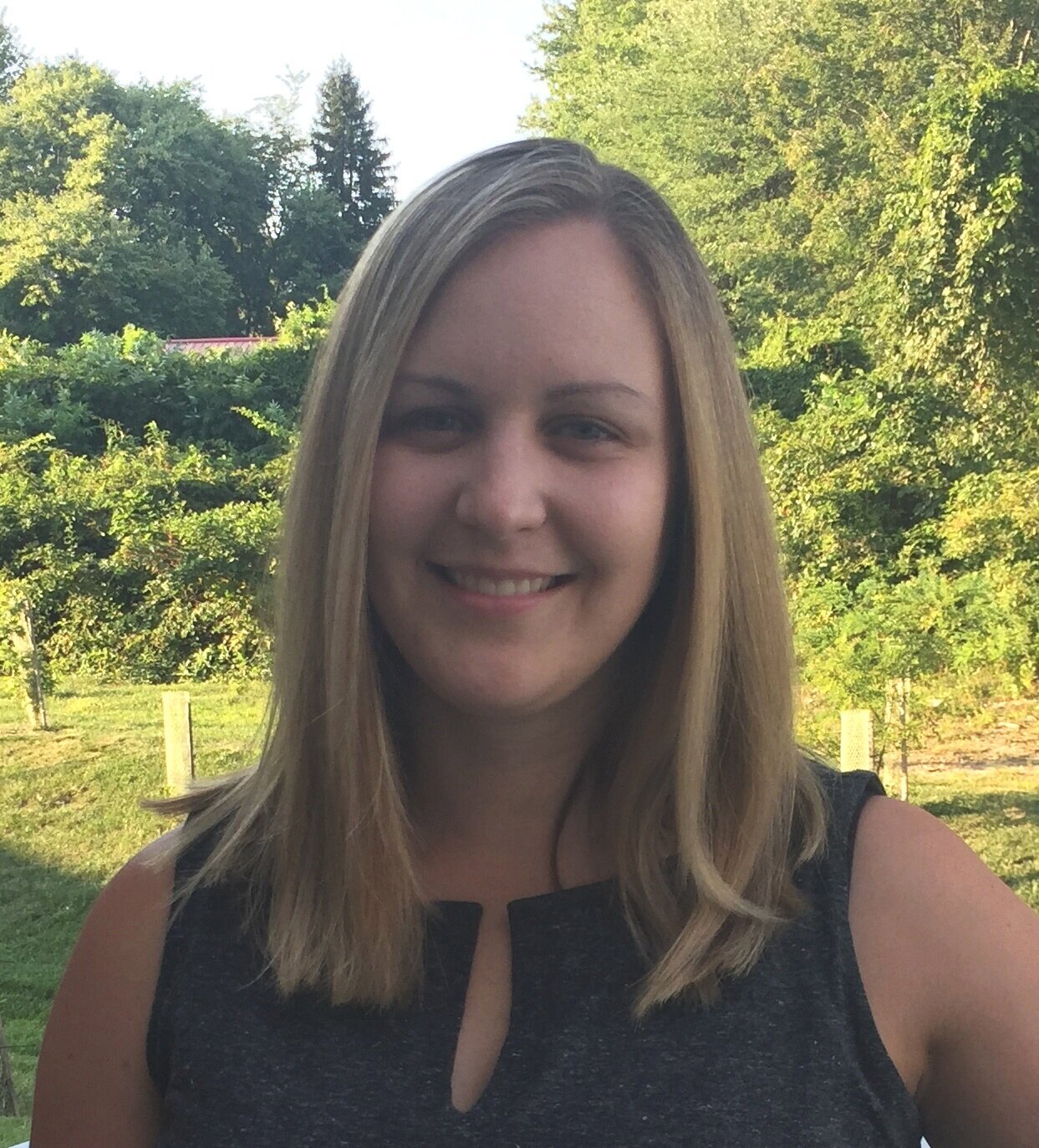
Mina Reyes LCPC (She/Her)
Owner
Teen and Adult ED Specialist
-
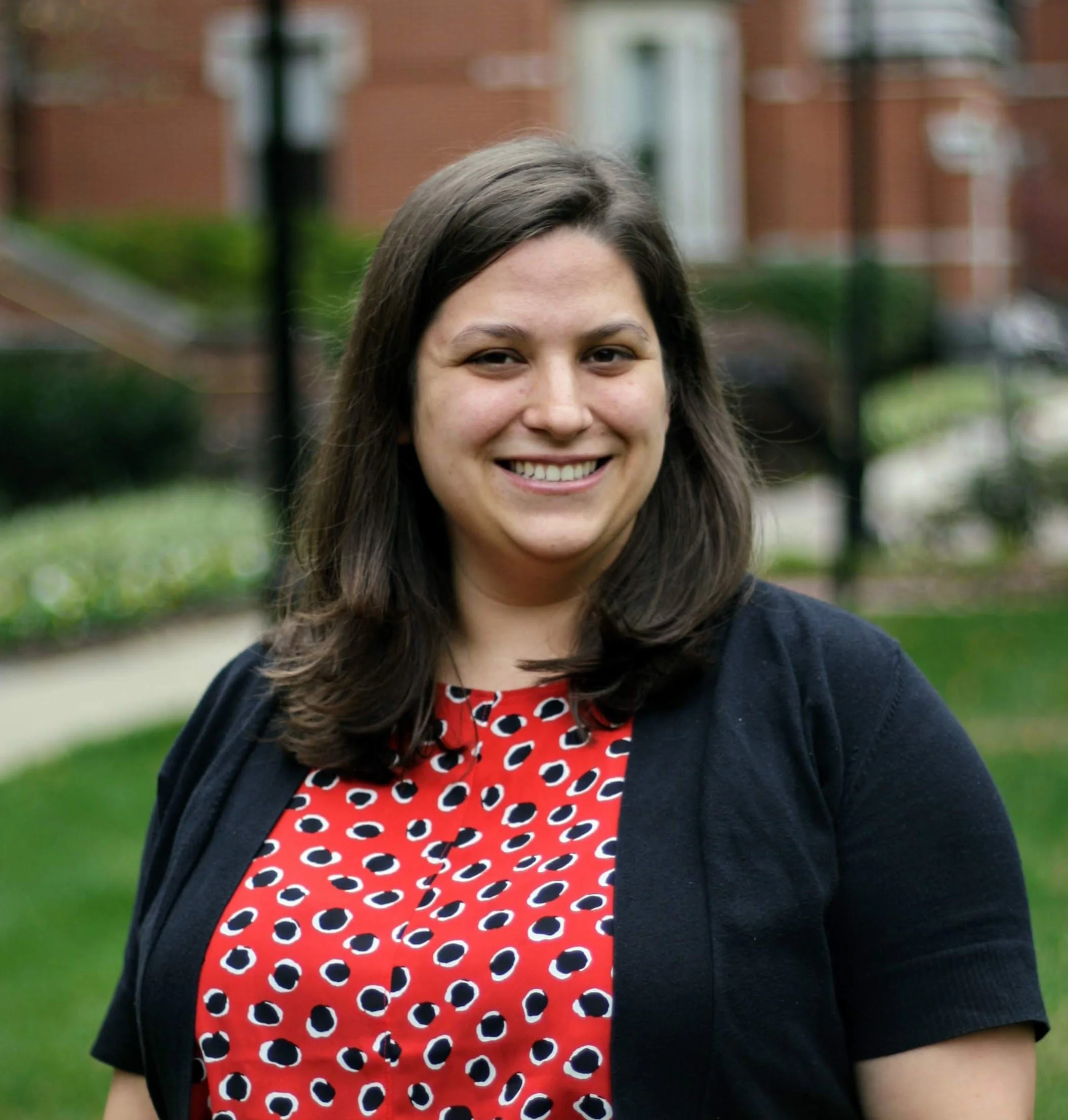
Rebecca Gavin LCSWC (She/Her)
Adult ED Specialist
-
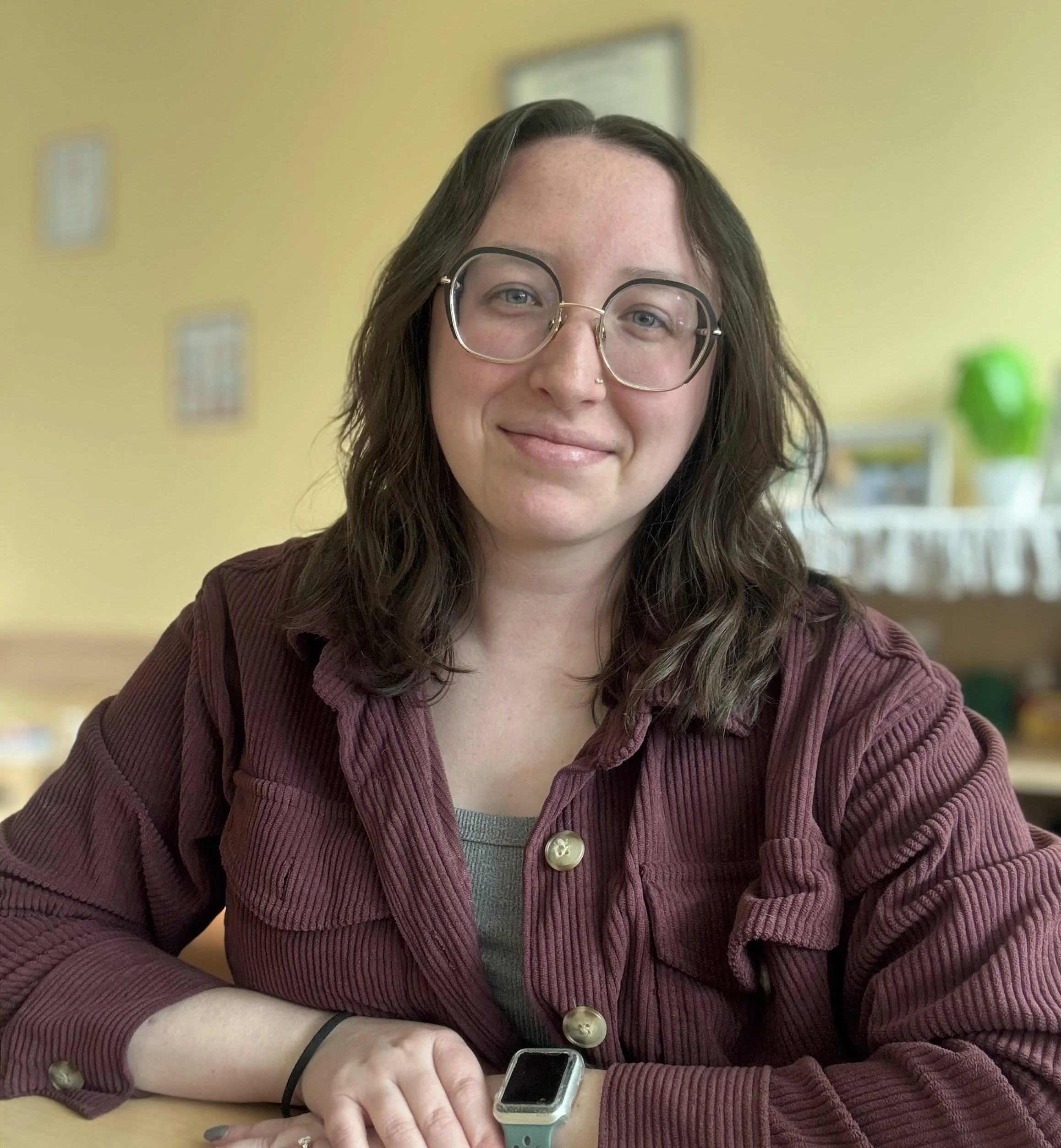
Sarah Montgomery LMSW (She/Her)
Adult ED Specialist
-
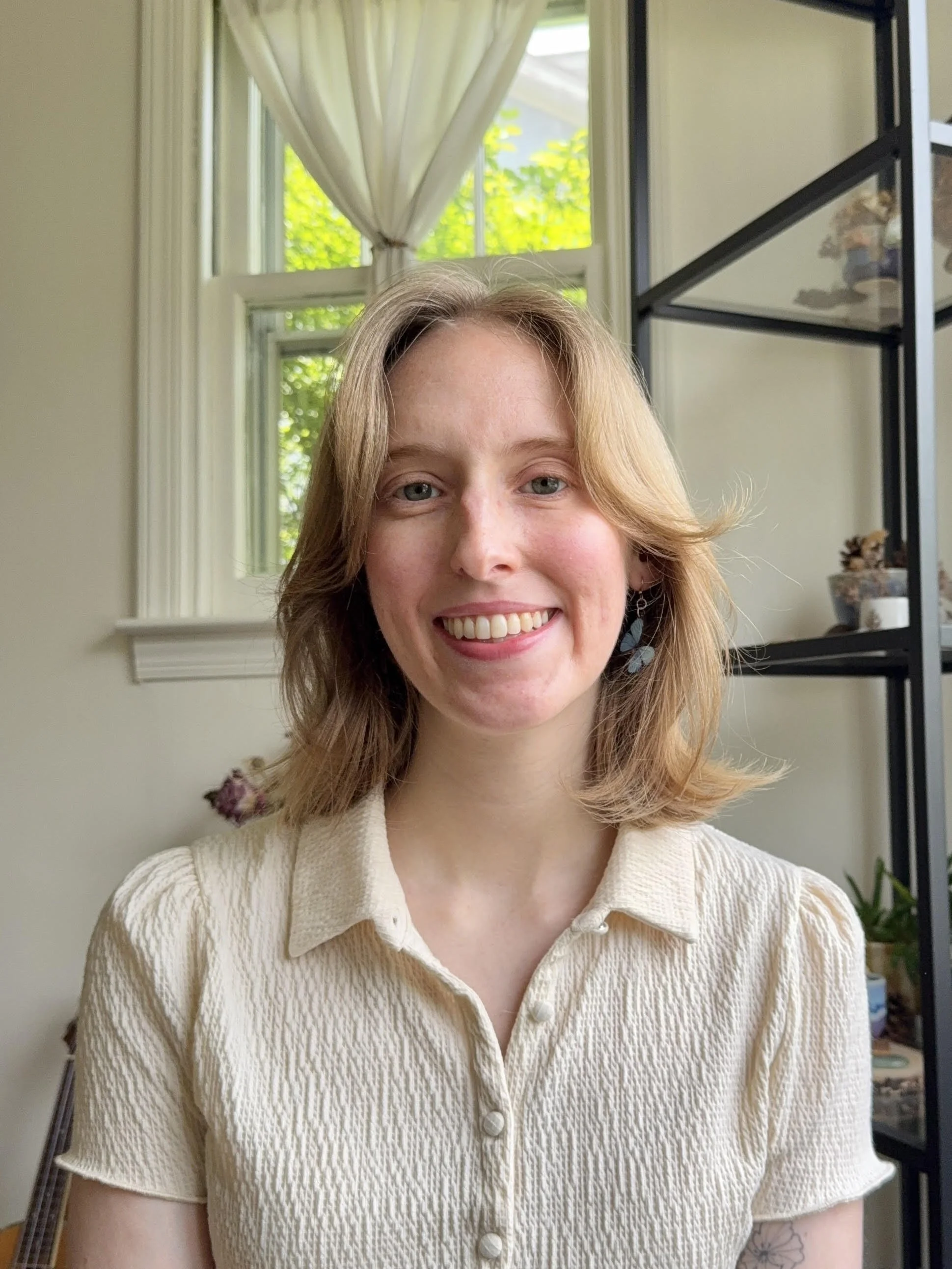
Olivia Sears LGPC (She/her)
Adult ED Specialist