

Somewhere along the way, using stopped being a choice and started feeling like a need.
Do you ever find yourself wondering whether you've become dependent on something just to get through the day?
Maybe it started innocently enough, a drink with friends, something to take the edge off, a way to quiet the noise long enough to function. And for a while, it worked.
But somewhere along the way, something shifted. What used to feel like a choice started feeling like a need. The thing that helped you cope became the thing you couldn't stop thinking about, planning around, hiding, defending.
Maybe people have asked why you choose a substance over your relationships. Maybe you've felt ashamed of your inability to stop. Maybe you've spent more time and energy than you'd like to admit just trying to acquire, use, and hide it.
And maybe, in your most honest moments, you've thought "it's not fair" that others seem to manage just fine while you can't.
You're right. It isn't fair. And it isn't a moral failure either. Your brain learned to rely on something that felt like relief and that's how human beings work when they're trying to survive something hard.
You don't have to be ready to quit completely to reach out. You don't have to hit rock bottom. You just have to be willing to have a conversation about what things could look like differently.
That's enough. And we're here.

What is Substance use Disorder?
Substance use disorder exists on a spectrum. It doesn't always look like what you see in movies, the person who has lost everything, hit rock bottom, or can't function at all. More often it looks like someone managing, mostly, until they're not. Someone who has good stretches and hard ones. Someone who knows something is off but isn't sure it's "bad enough" to deserve help.
As physician and trauma expert Gabor Maté writes: "The question is never 'why the addiction?' but 'why the pain?'“ Substance use rarely begins as a problem, it begins as a solution. A way to manage stress, numb pain, connect with others, or simply survive something that felt unsurvivable. Understanding that is the beginning of healing.
It's not a moral failure. It's biology, environment, and experience
Addiction doesn't discriminate. It doesn't choose people based on weakness, character, or willpower. Research consistently shows that three factors predict substance use disorder: biology, environment, and developmental experiences. In other words, your genes, what you grew up in, and what happened to you along the way. None of those things are your fault.
What begins as manageable use can shift gradually and quietly. Peer pressure, social anxiety, chronic pain, trauma, or simply the way your brain responds to relief, any of these can set a path in motion that feels impossible to redirect alone.
How it shows up…
Substance use disorder rarely announces itself clearly. More often it shows up quietly, in the spaces between:
Needing more of something to get the same effect it used to have
Spending more time than you'd like acquiring, using, or recovering from use
Withdrawing from relationships, work, or things you used to care about
Trying to cut back and finding it harder than you expected
Feeling ashamed, secretive, or defensive about your use
Using to manage emotions, stress, anxiety, or memories that feel too big to face alone
Watching people you love worry about you and not knowing what to do with that
These aren't signs of weakness. They're signs that something in your life needed managing, and the thing you found to manage it has taken on a life of its own. That can change, with the right support, at your own pace

This isn't just about the person using
Substance use disorder is often called a family disease because its effects ripple outward to everyone who loves someone struggling with it. If you're here because of someone else's use, your pain is real too. The fear, the grief, the exhaustion of watching someone you love struggle, that deserves support just as much as anything else. We work with partners, adult children, and family members navigating their own healing alongside a loved one's recovery.
How Therapy Can Help

Recovery isn't a destination you arrive at all at once. As the saying goes, "A journey of a thousand miles starts beneath one's feet." It begins with one conversation, one honest moment, one small step toward something different. That's all we're asking of you right now.
At Mindful Living Therapy, our approach to substance use disorder is rooted in one core belief: you are the expert on your own life. We don't come with a rigid plan or a predetermined idea of what your recovery should look like. We create a judgment-free space where you can say the things you're afraid to say to anyone else and we listen. From there, we work together to build a path forward that is realistic, compassionate, and genuinely yours.


We don't believe recovery requires you to be completely ready, completely committed to sobriety, or completely certain about anything. We meet you exactly where you are, whether that's exploring your relationship with a substance, considering making changes, or actively working toward recovery. Every step forward counts, no matter how small.
Our therapists draw from evidence-based approaches tailored to your specific needs and experience. Amy Waldron LCPC uses Motivational Interviewing, a collaborative, non-confrontational approach that helps you explore your own reasons for change at your own pace, without pressure or judgment. Sherry Bithell LCSWC draws from her own personal understanding of addiction's impact, using Cognitive Behavioral Therapy (CBT) and Narrative Therapy to help you rewrite the story you've been telling yourself about who you are and what's possible.


Together, our team understands that substance use rarely exists in isolation. Anxiety, depression, trauma, grief, and relationship struggles often live alongside it and we're trained to hold all of it, meeting you where you are without judgment, and walking with you toward something that feels more like freedom.
For those who love someone who is struggling
Sometimes you're not here for yourself. You're here because someone you love is struggling and you don't know what to do anymore.
You've watched them change. You've had the conversations, made the pleas, set the boundaries, and broken them. You've felt the fear of a phone call you don't want to receive. The exhaustion of being constantly on guard. The grief of missing the person they used to be or the person you hoped they'd become.
Loving someone through addiction is its own kind of pain. And it deserves its own kind of support.
We work with partners, adult children, parents, and anyone else navigating the complicated emotional terrain of loving someone with a substance use disorder. Our work together isn't about fixing them or managing their recovery it's about you. Your fears, your grief, your resentments, your boundaries, and your own mental health.
Because you matter too. Not just as a support system for someone else but as a whole person who deserves care, clarity, and a space to breathe.
You don't have to keep carrying this alone.
You don't have to have it all figured out to reach out
"I'm not sure my use is bad enough to need therapy."You don't need to have lost everything to deserve support. You don't need a diagnosis, a rock bottom moment, or a dramatic story to walk through our door. If your relationship with a substance is causing you stress, shame, or confusion, if it's taking up more space in your life than you'd like, that's enough. You don't have to wait until things get worse before asking for help. In fact, reaching out before things get worse is one of the bravest things you can do.
"I'm afraid you'll tell me I have to quit completely."We won't. Our approach is rooted in harm reduction, meaning we meet you exactly where you are, without a predetermined idea of what your recovery should look like. We don't believe there is one right path to healing. Some people work toward sobriety. Others work toward moderation, harm reduction, or simply understanding their relationship with a substance better. We follow your lead, at your pace, without pressure or judgment.
"I've tried to stop before and it didn't work."We hear this often and we take it seriously. Stopping or changing substance use is genuinely hard, and past attempts that didn't stick aren't failures they're information. They tell us something about what you need, what got in the way, and what might work differently this time. Healing from substance use disorder isn't linear, and setbacks are part of the process, not the end of it. We're not here to judge your history. We're here to help you write what comes next.
"I don't want to talk about my childhood or my trauma."You don't have to. We follow your lead in every session, you decide what you're ready to explore and what stays off the table for now. That said, we do recognize that substance use and difficult life experiences are often connected, and when you're ready to explore that connection, we'll be here. There's no pressure and no timeline. Healing happens at the pace that feels safe for you.
Whenever you are ready, we are here.
Reaching out does not have to feel overwhelming. You've already taken the first step by being here and that matters. We invite you to schedule a free 15-minute phone consultation, no pressure, just a simple conversation to see if we might be the right fit. Finding the right therapist matters, and we want you to feel confident in that choice. Browse our therapist directory to find the warm, personal connection that feels right for you. There is no perfect moment to ask for help. Whenever you are ready. We are here.
Meet the Team
-
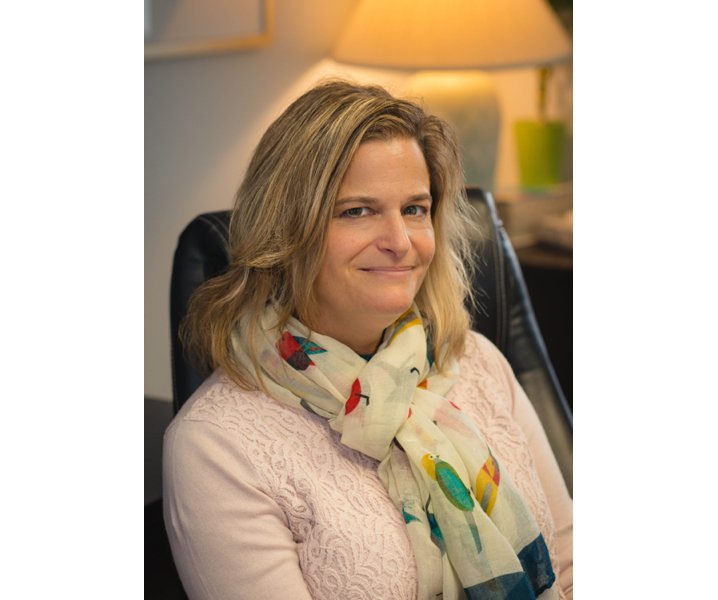
Amy Waldron LCPC (She/Her)
Adult and Family Substance Use Therapist
-
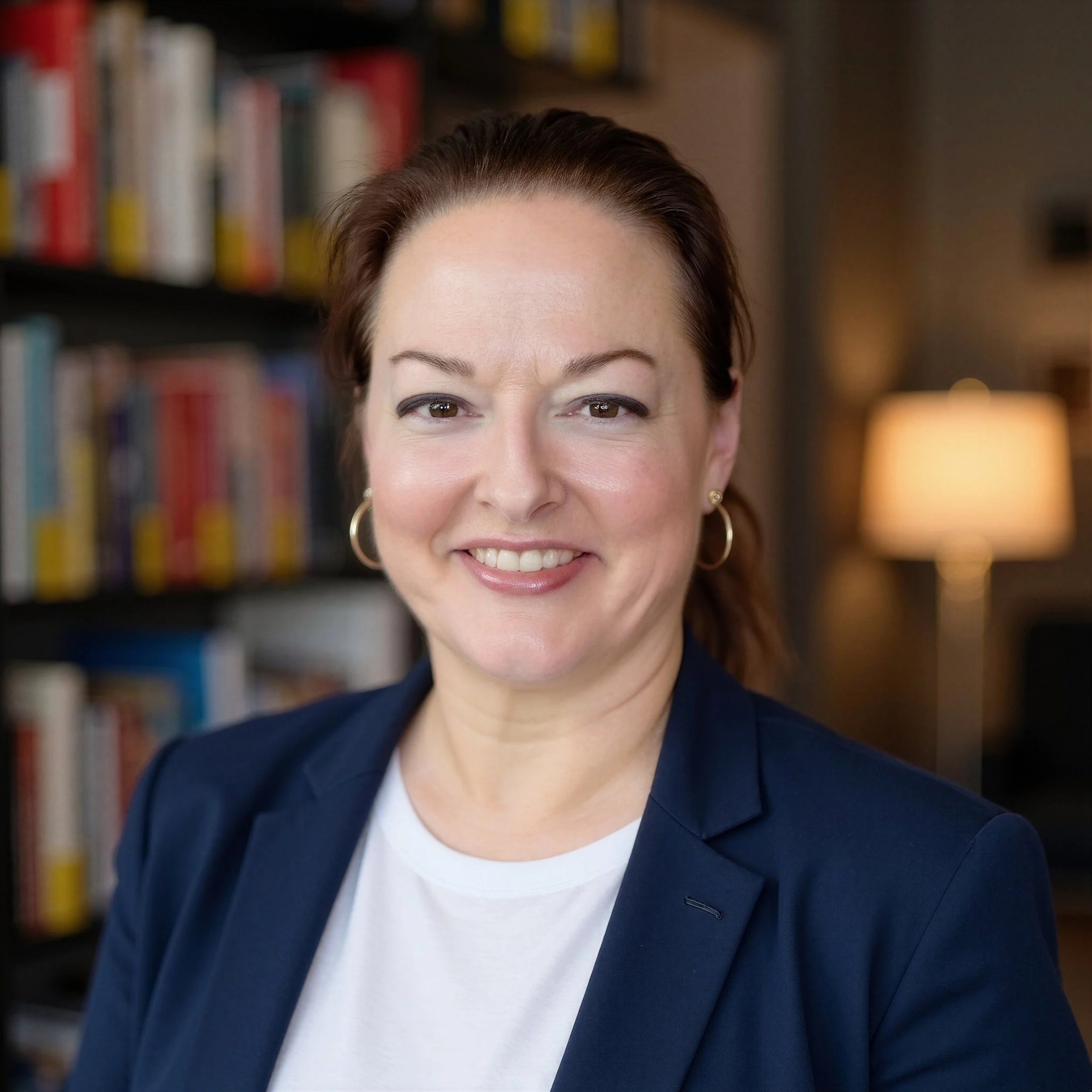
Sherry Bithell LCSWC (She/Her)
Adult Substance Use Therapist